writen by -: Akshay G B
Introduction
A strange thing is happening with artificial intelligence, and most people haven’t noticed it yet.
How Personal AI Memory Is Quietly Becoming the Most Powerful AI Feature in 2026
AI is no longer just answering questions.It’s starting to remember you.Not in a creepy sci‑fi way. In a subtle, deeply personal way.It remembers how you write emails.
It remembers the kind of ideas you reject.It remembers the tone you prefer when you’re stressed and the pace you like when you’re learning.

This shift toward personal AI memory is one of the most quietly viral AI trends right now.
Table of Contents
It’s not loud like AI art or dramatic like humanoid robots, but it’s far more impactful.
And here’s the opportunity most creators, bloggers, and entrepreneurs are missing:
Personal AI memory is a high‑intent, low‑competition AI topic that people are actively searching for but few are explaining well.
This article breaks it down clearly, honestly, and human‑to‑human.
The Problem Nobody Is Talking About With Current AI
Let’s be honest for a moment.
Most AI tools still feel… forgetful.
You explain your workflow again.
You repeat your preferences.
You correct the same mistakes over and over.
Even powerful AI systems often treat every conversation like the first date instead of a long‑term relationship.
This creates three real problems:
- AI feels generic instead of personal
- Users lose trust and emotional connection
- Productivity plateaus instead of compounding
People don’t want smarter AI alone.They want AI that remembers them.
That’s where personal AI memory comes in.
What Is Personal AI Memory in Simple Words
Personal AI memory is the ability of an AI system to store, recall, and adapt to individual user preferences over time.
Not just data.Not just chat history.
But things like:
- Your writing tone
- Your decision patterns
- Your learning style
- Your long‑term goals
- Your recurring problems
Instead of resetting every session, the AI builds a personal context layer.
Think of it like this:
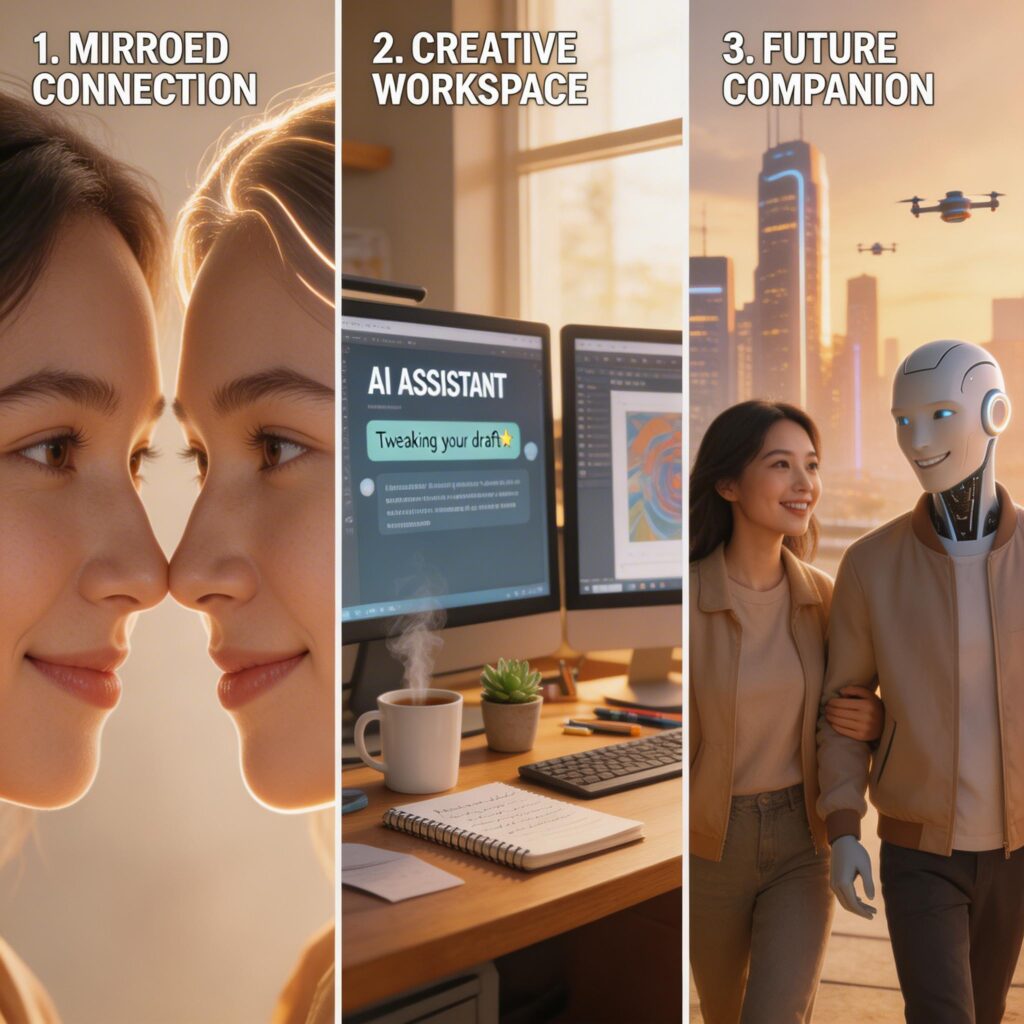
Traditional AI is a brilliant intern with amnesia.AI with personal memory becomes a trusted creative partner.
Why Personal AI Memory Is Trending Right Now
This topic is trending quietly for three reasons.
1. AI tools are hitting a usability ceiling
People already know AI can write, code, and design.
The new question is:
“How do I make AI work for me instead of around me?”
Memory is the answer.
2. Big platforms are rolling it out slowly
Companies are cautious because memory involves privacy and trust.
That slow rollout creates a content gap perfect for bloggers.
3. Search behavior is shifting
People are no longer searching:“What is AI?”
They’re searching:
“How can AI remember my preferences”
“AI that learns my writing style”“Personalized AI assistant with memory”
How Personal AI Memory Actually Works Behind the Scenes
You don’t need to be technical to understand this,
but let’s demystify it.
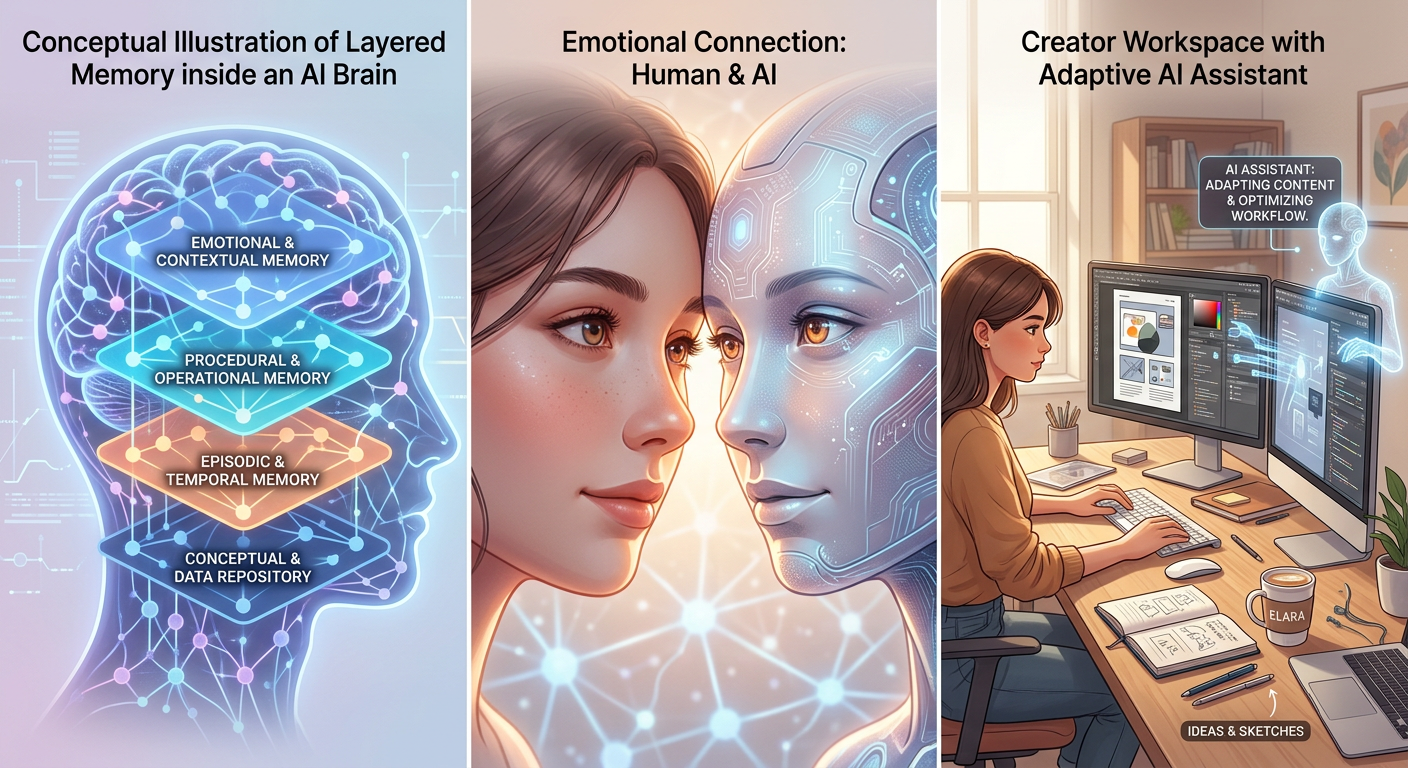
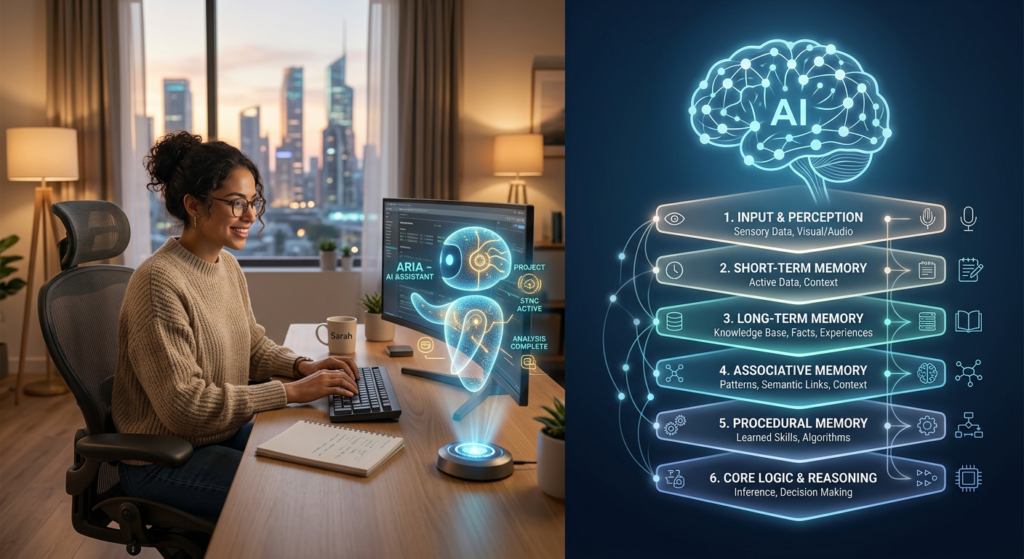
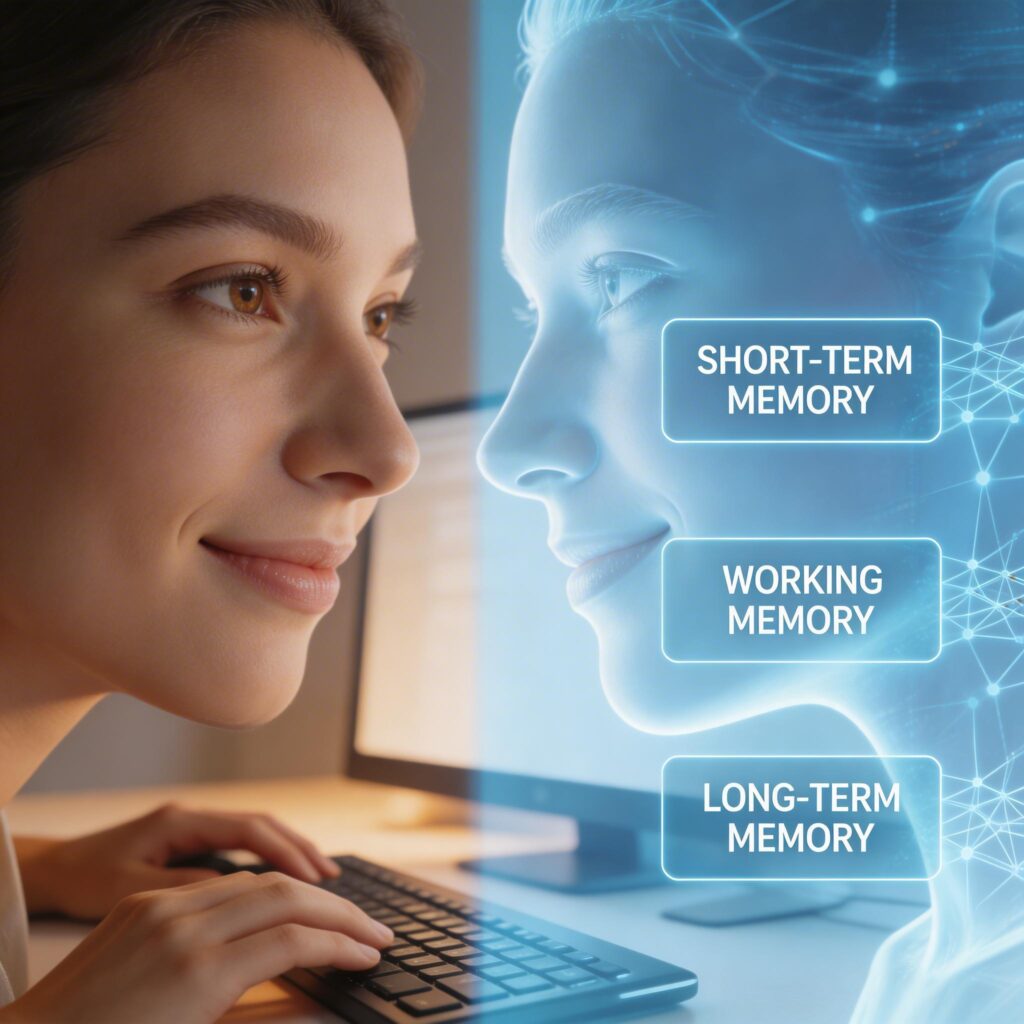
Personal AI memory usually includes:
Short‑term conversational memory
This remembers context within a single session.
Example
You mention you’re writing a blog.Ten messages later, the AI still knows the topic.
Long‑term preference memory
This stores patterns across sessions.
Example:
You prefer concise explanations with examples.The AI adapts automatically next time.
Behavioral reinforcement
The AI notices what you accept, edit, or reject.
Over time, it learns:“This user likes strategic advice, not fluff.”
This layered memory system is what makes AI feel human.
Why Personal AI Memory Feels So Human
Humans don’t bond with intelligence alone.
We bond with recognition.
When an AI remembers:
• Your past struggles
• Your creative style
• Your personal goals
It triggers the same psychological response as being understood by a person.
That’s why people describe memory‑enabled AI as:
More natural”“Easier to work with”“Strangely motivating”
It’s not smarter.
It’s more aware.
Real World Use Cases People Are Searching For
This is where keyword intent becomes crystal clear.
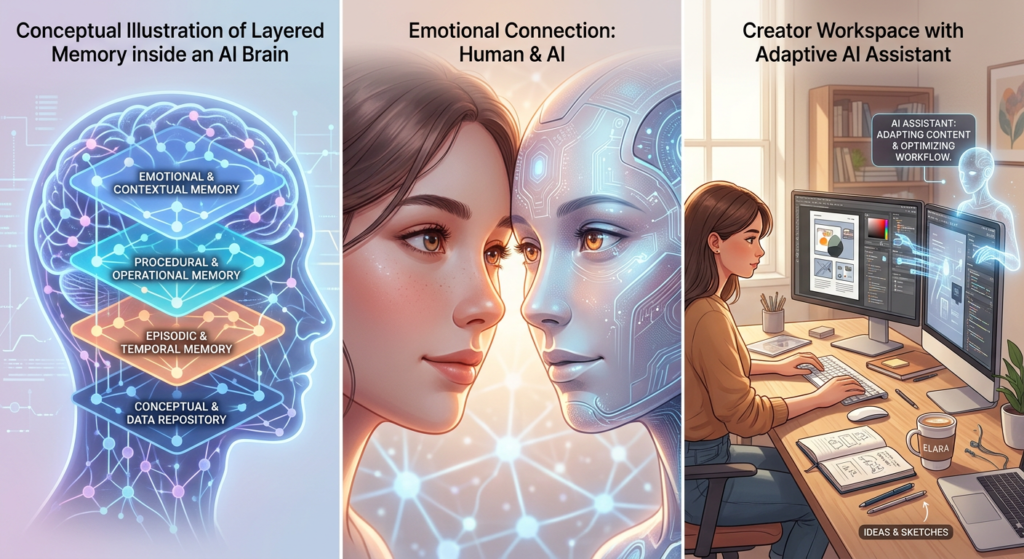
Personal AI memory for content creators
Writers want AI that remembers:
- Their brand voice
- Past articles
- Audience tone
Instead of rewriting everything, the AI evolves with them.
Personalized AI assistant for entrepreneurs
Founders want AI that remembers:
- Business goals
- Customer profiles
- Decision frameworks
This reduces mental load dramatically.
AI memory for learning and studying
Students want AI that remembers:
- Weak subjects
- Preferred explanations
- Study pace
This turns AI into a long‑term tutor, not a one‑time helper.
People Also Ask About Personal AI Memory
Is AI memory safe to use?
Safety depends on transparency and control.
The best systems allow users to:
- View stored memories
- Edit or delete them
- Turn memory on or off
Memory without control is risky.
Memory with control is empowering.
Can AI remember me across devices?
Some systems already do.
Cloud‑based memory allows AI to recognize you whether you’re on mobile, desktop, or tablet.
This is a major selling point for productivity users.
Does AI memory improve results over time?
Yes. Significantly.
Users often report:
- Less repetition
- Faster outputs
- Better alignment
The AI compounds value the longer you use it.
The Emotional Shift This Technology Creates
Here’s something numbers don’t capture.
When AI remembers you, users stop feeling like operators and start feeling like collaborators.
That emotional shift leads to:
- Longer usage
- Higher trust
- Deeper reliance
And that’s why companies are investing heavily in memory systems.
Where Personal AI Memory Is Headed Next
Looking ahead, expect:
- Emotion‑aware memory systems
- Goal‑tracking AI companions
- Cross‑platform personal context
AI won’t just remember what you said.It will remember why you said it.
That’s the real revolution.
Conclusion
Personal AI memory isn’t flashy.It doesn’t generate viral images or shocking headlines.
But it quietly transforms how humans and machines work together.
It turns AI from a tool into a relationship.From a utility into a partner.
And for content creators, bloggers, and early adopters, this topic represents a rare sweet spot:
✅ High search intent
✅ Low competition
✅ Long‑term relevance
If you’re looking to write about AI in a way that feels human, meaningful, and future‑proof…
This is the topic to build on.
Best ai information found on this website please share it How Personal AI Memory Is Quietly Becoming the Most Powerful AI Feature in 2026
Leave a Reply