You finally post a new reel.
You write a caption.
You tweak a blog post.
You turn off your laptop, feeling oddly proud
Then you open your phone and see this:
“Post 1 of 30 for this month.”
That little “1 of 30” hits harder than an unpaid invoice.
If you run a small business, the content machine can feel endless. Instagram. TikTok. LinkedIn. Email. Blog. Maybe a YouTube channel if you are feeling brave. You know you should “show up consistently,” but who has time to be a full time creator and a full time business owner
This is exactly where learning how to use AI to repurpose content for small business marketing becomes a game changer.
Instead of trying to create fifty new ideas every month, you turn one solid piece into ten smart pieces. And AI quietly does most of the heavy lifting in the background.

The Problem: Great Content That Dies After One Post
You probably already have more content than you think:
- Social media captions
- Lives or webinars you hosted
- Customer emails you wrote personally
- Voice notes of ideas
- Blog posts from months or years ago
The problem is not a lack of ideas. The real problem is that each piece only lives once. You hit publish, get a small spike of likes, and then it disappears into the feed graveyard.
On top of that:
- You do not have time to rewrite everything for every platform
- You are worried AI will make everything sound robotic
- You are not sure which tools actually help and which just add more work
So the question becomes very practical and very important:
How do you use AI to repurpose content for small business marketing, without losing your voice or spending more time than before
Let us turn that problem into a simple system.
The ai help the artist to Best ai tools to repurpose content and some people are don’t know about Best ai tools to repurpose content
What Is AI Content Repurposing For Small Business Marketing
Think of AI content repurposing like a creative translator for your brand.
You start with one “source” piece, such as
- A blog article
- A long form video or live
- A podcast episode
- A long email or case study
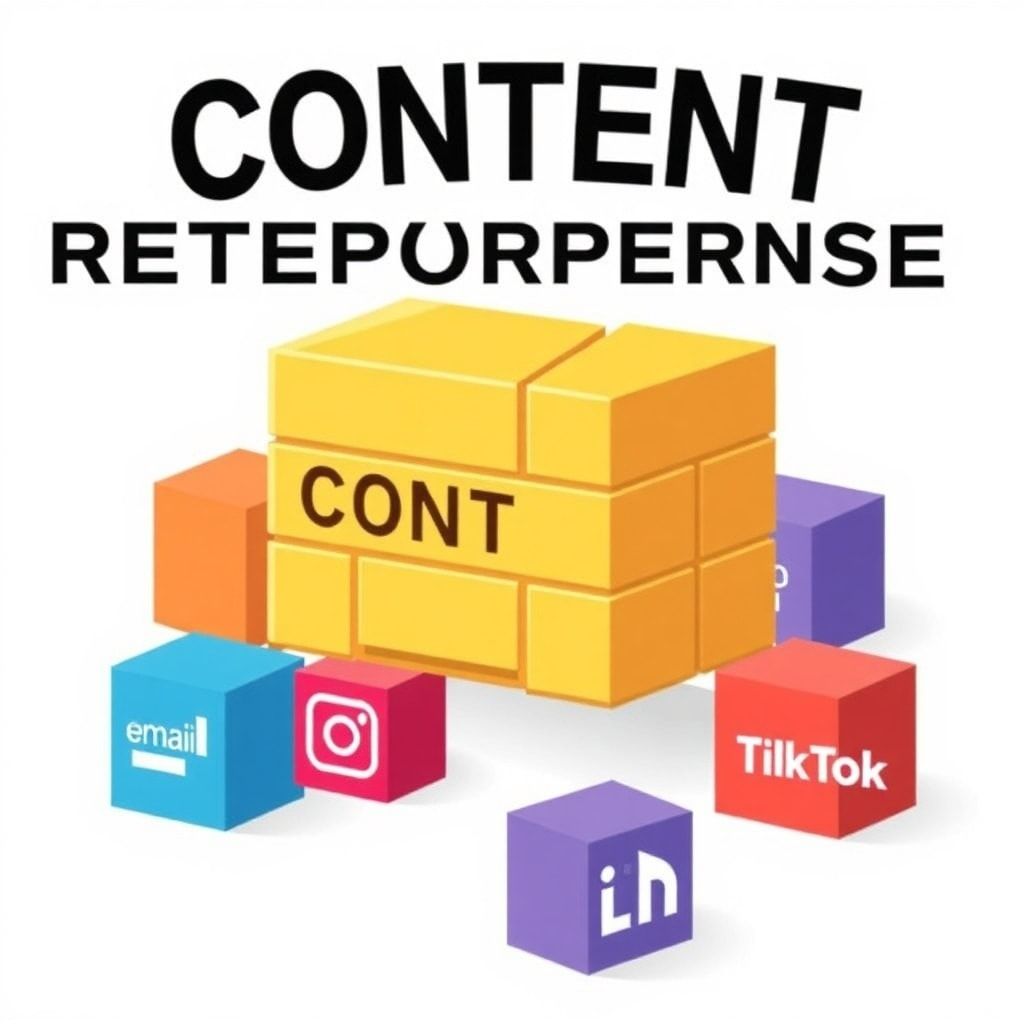
Then you use AI tools to transform that single piece into many targeted pieces, all aligned with your marketing strategy. For example, from one blog post you could get
- Five short form video scripts
- Ten social media captions
- An email newsletter draft
- A LinkedIn post with a more professional tone
- A simple lead magnet outline
The intent behind the keyword “how to use AI to repurpose content for small business marketing” is very clear. People searching this want:
- An easy, step by step workflow
- Tool suggestions
- Real examples, not just theory
- Something that respects their brand voice
- Best ai tools to repurpose content
That is exactly what we are going to build in the next sections.
Why Use AI To Repurpose Content Instead Of Just Posting More
Before we dive into the workflow, it helps to know why this matters, not just how.
Here are key reasons small business owners are turning to an AI content repurposing workflow.
1. You Save Time Without Sacrificing Quality
Creating one strong, thoughtful piece of content is already a lot of work. AI lets you multiply that effort. Instead of 90 minutes for a reel script, you spend 10 to 15 minutes guiding AI to draft it, then you tweak.
2. You Finally Show Up Everywhere Consistently
Different platforms prefer different formats. Short lines and hooks on TikTok, more value on LinkedIn, storytelling on Instagram. AI can reshape one idea to match each platform style so that you show up where your audience is, without burning out.
3. You Keep Your Brand Voice Consistent
With the right prompts, you can train AI to write in your toneFriendly, bold, luxury, educational, funny, or calm. That way your posts feel like they come from the same person, even if AI drafts them
4. You Get More From Old Content
Content you wrote last year could still be relevant. AI can update it, reframe it, and turn it into fresh pieces, instead of letting it sit there unseen.
How To Use AI To Repurpose Content For Small Business Marketing Step By Step
Now to the heart of it. Here is a practical, human friendly AI content repurposing workflow you can start using this week.
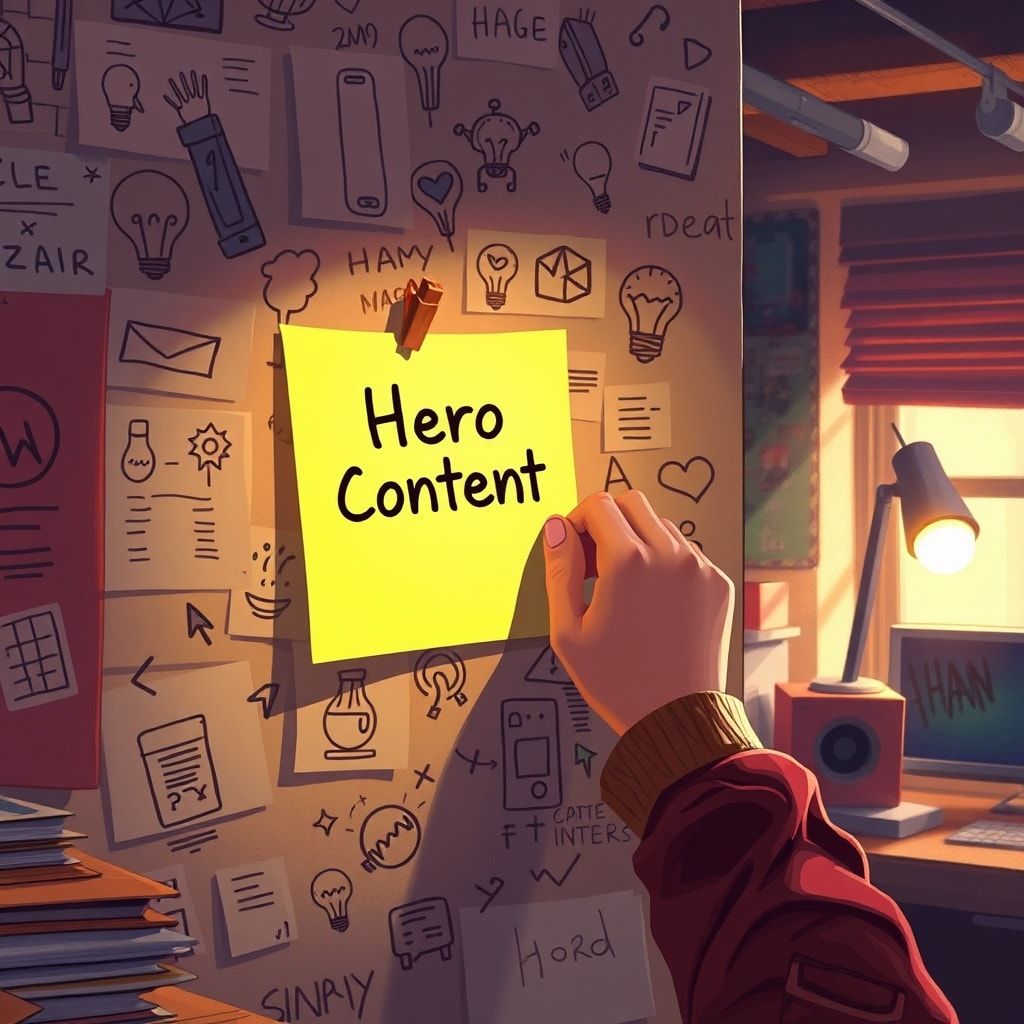
Step 1: Choose One “Hero” Piece Of Content
Start with a strong base. Some good options
- A detailed blog post
- A podcast interview or solo episode
- A YouTube video
- A workshop or webinar recording
- Best ai tools to repurpose content
Ask a simple question
“Does this piece answer a real problem my ideal customer has”
If the answer is yes, you have a hero piece
Step 2: Transcribe Or Clean Up The Original
If your hero content is text already, skip to the next step. If it is audio or video
- Use a tool like Descript, Otter, Notta, or the built in transcription from YouTube to get a transcript
- Quickly clean up obvious mistakes, filler words, and irrelevant tangents
- Best ai tools to repurpose content
The goal is not perfection, just something AI can understand.
Step 3: Feed The Hero Content Into AI With The Right Context
This is where many people go wrong. They paste a huge wall of text into an AI tool and say “Make content.” That is like handing someone a 300 page book and asking for “a vibe.”
Instead, give AI a clear, specific brief. For example, you would provide
- Who you are and what your business does
- Who your audience is
- Your tone of voice
- Your goal with this content
- Best ai tools to repurpose content
Example of a clear intent
“I want to use AI to repurpose this podcast transcript into social media content that drives people to book a free consult.”
This matches the search intent behind “how to use AI to repurpose content for small business marketing”. It is about strategy, not just word spinning.
Step 4: Ask AI To Map Out Repurposed Content Types
Before generating anything, ask AI for a content map. For example, based on your hero piece, you might request“
List the best ways to repurpose this content for Instagram, TikTok, LinkedIn, email, and my blog. Show the ideas in a table with format, angle, and call to action.”
You might get suggestions like
- Instagram carousel explaining the three biggest mistakes your audience is making
- TikTok script starting with a relatable hook based on a story you shared
- LinkedIn post focused on the data or logic from your hero piece
- Email newsletter summarizing the key idea plus a client story
- Short blog spin off answering a very specific “People Also Ask” style question
This map becomes your content plan for the week or month.
Step 5: Generate Platform Specific Drafts With AI
Now it is time to let AI work. Use prompts aligned with your goals and keywords.
Examples of platform specific requests
- Write a 120 to 150 word Instagram caption from this hero content, in a friendly conversational tone, ending with a call to action to join my email list.”
- Turn this section into a short TikTok script with a strong first line hook, one main lesson, and a direct call to action to comment.”
- Write a 300 word LinkedIn post focusing on the business impact, keeping a professional but warm tone
- Create a short email newsletter from this content with a simple story intro, one main lesson, and a soft invitation to book a discovery call.”
Remember to include your main keyword where it feels natural. For example, in your blog or email you might write
“If you are wondering how to use AI to repurpose content for small business marketing without sounding robotic, here is what I do every week.”
This makes your keyword intent crystal clear for both readers and search engines.
Step 6: Edit For Voice, Accuracy, And Humanity
AI drafts are a starting point, not a final product. Before you publish
- Remove generic phrases that you never say in real life
- Add details from your actual clients or your own story
- Check facts, numbers, and any specific claims
- Adjust for your level of directness or softness
Ask yourself
Would I actually say this out loud to a real customer”If not, tweak until the answer is yes. This is how you stay human while letting AI save you time.
Step 7: Build A Simple AI Content System You Can Repeat
To make this sustainable, turn your process into a repeatable system. For example
Weekly routine
- Choose one hero piece
- Run transcription or collect text
- Use your standard prompt to brief AI
- Ask for a content map
- Generate drafts for your top two or three platforms
- Edit, schedule, and track what performs best
Over time, you refine your prompts and templates, and your AI content system for small business owners gets faster and more accurate.

What Are The Best AI Tools To Repurpose Content For Small Businesses
You do not need twenty tools. You just need a few that play nicely together. While specific recommendations change fast, here is the kind of stack that works well for most people
Categories to consider
- Transcription
- General AI writer and editor
- Social media scheduling
- Design or video tools
Look for tools that
- Let you save your brand voice or style
- Support multiple content formats
- Work on desktop and mobile
- Fit your budget and comfort level
Then experiment. The best AI tools to repurpose content are the ones you actually enjoy using enough to keep using them.

Conclusion: Your Ideas Deserve A Longer Life
You do not need to become a full time content creator to market your small business well. You also do not need to fight the algorithm alone.
When you learn how to use AI to repurpose content for small business marketing, you transform your process
- One strong idea becomes a week of posts
- One podcast becomes emails, captions, and reels
- One blog becomes your best performing LinkedIn thread
The core creativity is still yours. AI just stretches it farther, faster.
If you want a simple next step, try this today
- Choose one hero piece of content you are proud of
- Paste it into your favorite AI tool with a clear brief
- Ask it to create three platform specific posts
- Edit them to sound like you and schedule them
Watch how it feels to show up more often without burning out. That feeling is your new baseline. And it all starts with one clear question you already searched for
How do I use AI to repurpose content for small business marketing
Now you have your answer.
Leave a Reply