Autonomous Procurement Bots: revolution in 10 day
Table of Contents
By a seasoned supply chain technology blogger with 12+ years in enterprise automation
Here Is Something That Will Make Every Procurement Manager Uncomfortable

You probably spent the last three Tuesdays chasing supplier quotes, correcting purchase order errors, and explaining to your finance team why that emergency inventory order cost 40% more than it should have.
What if I told you that a piece of intelligent software was already doing all of that work automatically, faster than you could finish your morning coffee, and for companies just like yours?That is not science fiction anymore.
That is autonomous procurement bots, and they are already rewriting the rules of how businesses source, purchase, and manage their entire supply chain operations.
If you are a procurement professional, a business owner, or simply someone fascinated by where artificial intelligence is actually going beyond the hype, you need to sit down and read every single word of this post because what is happening right now in procurement automation is extraordinary.
The Problem That Nobody Wants to Talk About Out Loud
Let me be brutally honest with you for a moment.Traditional procurement is broken in ways that most companies refuse to admit publicly.
Think about the sheer volume of repetitive, mind numbing tasks that your procurement team handles every single day.
Someone has to identify the right suppliers. Someone has to send out requests for quotations.
Someone has to compare prices, check contract compliance, raise purchase orders, track deliveries, match invoices, and then do the same thing all over again tomorrow.According to research published by Hackett Group, procurement organizations spend nearly 60% of their total operational time on transactional and administrative tasks that generate absolutely zero strategic value for their business.
Zero.
And here is where the real pain lives. Human buyers get tired. Human buyers make mistakes.
Human buyers take vacations, get sick, and cannot process 10,000 supplier transactions simultaneously on a Wednesday afternoon.
The result is what procurement experts call “maverick spending,” which refers to purchases made outside approved channels, at incorrect prices, from non preferred suppliers, without proper authorization.
Studies show that maverick spending can cost organizations between 5% and 20% of their total procurement budget every single year.That money is simply disappearing. And most companies have quietly accepted this as a normal cost of doing business.
Until now.
What Exactly Are Autonomous Procurement Bots and How Do They Work

Before we go any further, let me make sure we are absolutely clear about what autonomous procurement bots actually are, because the terminology can get confusing very quickly.
Autonomous procurement bots are AI powered software agents that can independently execute end to end procurement tasks without requiring constant human approval at every single step of the process.
Notice I said independently. That is the key word that separates them from older robotic process automation tools which still required humans to define every single rule and pathway in advance.
These new generation bots use a combination of the following technologies working together.
Autonomoushttps://logicloops.net/multi-agent-orchestration-the-future-of-ai-is-not-1-brain/ Procurement Bots: revolution in 10 day
Machine learning algorithms allow the bot to recognize patterns in historical purchasing data, predict future demand requirements, and improve its own decision making accuracy over time without being explicitly reprogrammed.
Natural language processing gives these bots the ability to read and understand supplier contracts, email communications, product catalogs, and even informal chat messages between team members.
Generative AI integration allows procurement bots to draft supplier communications, create contract summaries, generate spend analysis reports, and negotiate basic terms with suppliers through automated email exchanges.
API connectivity lets these bots communicate directly with ERP systems like SAP and Oracle, supplier portals, logistics platforms, and financial management software in real time.
When you put all of these capabilities together, you get something genuinely remarkable.
You get a software agent that can wake up at 2:00 AM, notice that your inventory of a critical component is falling below the reorder threshold, identify the three best approved suppliers based on current pricing and delivery performance, send out a request for quotation, evaluate the responses when they arrive, raise a purchase order to the winning supplier, notify your finance team, and update your ERP system, all before your procurement manager has even had breakfast.
Real World Applications That Are Already Happening Right Now
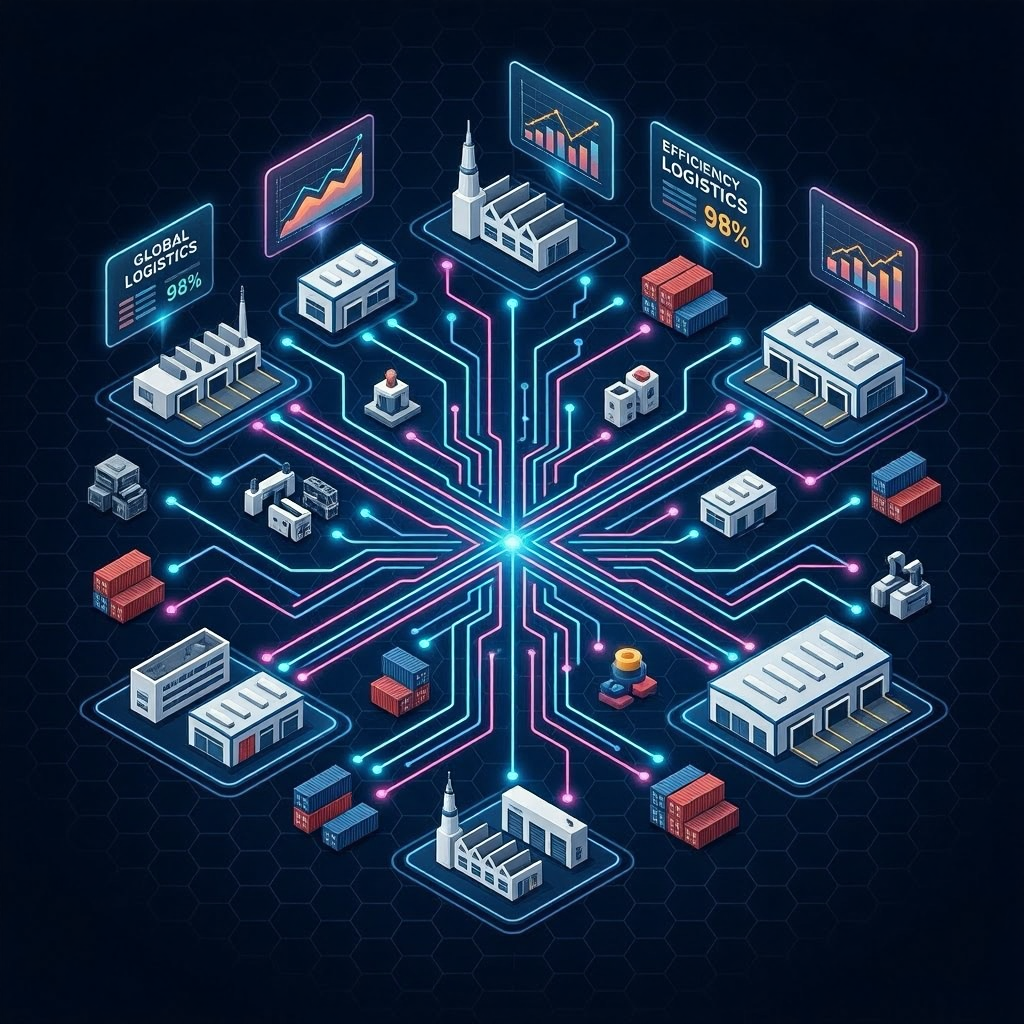
This is the part of the conversation where people usually say, “okay but who is actually using this today?
“Fair question.
Let me give you concrete examples.
Retail and Consumer Goods Sector
Large retail organizations are deploying autonomous procurement bots specifically to manage what procurement professionals call “tail spend,” which refers to the large number of low value, high frequency purchases that individually seem insignificant but collectively represent enormous amounts of unmanaged spending.
One European retail chain reported that after deploying autonomous procurement agents to manage their tail spend categories, they achieved a 34% reduction in processing costs and a 28% improvement in on time delivery performance within the first eight months.
Manufacturing and Industrial Operations
In manufacturing environments, autonomous procurement bots are being used for something called predictive purchasing.
By connecting to IoT sensors on production equipment, these bots can anticipate when a machine component is likely to fail based on performance data, automatically identify the correct replacement part, source it from the nearest qualified supplier, and initiate the purchase before the production line ever stops running.
This is not theoretical. Companies in the automotive manufacturing sector are already doing this and reporting significant reductions in unplanned downtime costs.
Healthcare and Pharmaceutical Procurement
Perhaps the most consequential application is in healthcare.
Hospitals and healthcare networks are using autonomous procurement bots to manage the incredibly complex task of medical supply procurement, where compliance requirements are strict, supply chain disruptions can have life threatening consequences, and pricing transparency has historically been very poor.
These bots can continuously monitor supplier compliance certifications, flag expired contracts, identify alternative suppliers when primary vendors face shortages, and ensure that every purchase meets regulatory requirements automatically.
The Specific Long Termhttps://youtube.com/shorts/MSLFgPXcL4Q?si=QAVdGR_RA2PszpXH Benefits That Make Finance Departments Genuinely Excited
Here is where the business case becomes impossible to argue with.
Dramatic cost reduction in procurement operations is the first and most obvious benefit. When bots handle the transactional volume, you need significantly fewer people performing repetitive processing work, and you redeploy your existing team toward strategic supplier relationships and value creation activities.
Elimination of human processing errors is genuinely massive when you consider the downstream consequences of a single incorrect purchase order. A wrong quantity, a wrong price, a wrong delivery address can create cascading problems that take weeks to resolve. Autonomous bots working from validated data sources and approved supplier lists do not make those kinds of mistakes.
24 hour procurement capability means that your supply chain never sleeps even when your team does. For global organizations working across multiple time zones, this is transformational.
Superior data quality and spend visibility is something that procurement leaders have wanted for decades and have never been able to achieve with manual processes.
When every single transaction flows through an intelligent automated system, you get perfect data capture, perfect categorization, and the ability to analyze your spending patterns in ways that were simply not possible before.
Faster supplier onboarding and management because bots can continuously monitor supplier performance metrics, flag early warning signs of supplier financial distress, and even recommend alternative sourcing strategies before a supply disruption actually occurs.
The Honest Conversation About Challenges and Limitations

I would be doing you a disservice if I painted an entirely rosy picture here, so let me be straightforward about the real challenges that organizations face when implementing autonomous procurement bots.
Data quality is the foundation everything else depends on. If your existing procurement data is messy, inconsistently categorized, or incomplete, autonomous bots will simply automate your existing problems at much greater speed. Before any intelligent automation initiative, organizations need a serious data cleansing and standardization effort.
Change management is harder than the technology. In my experience working with enterprise technology implementations, the software is rarely the most difficult part.
Getting procurement teams to trust automated decisions, update their workflows, and genuinely embrace a new way of working is where most implementations struggle. People who have built careers around their procurement expertise naturally feel threatened by systems that seem to replicate what they do.
Governance and oversight frameworks must be established clearly. Autonomous does not mean unmonitored. Organizations need clear policies about which categories of spend the bots can handle fully autonomously, which require human review above certain value thresholds, and how exceptions are handled when the bot encounters a scenario it has not seen before.
Integration complexity with legacy systems can be significant, particularly for organizations running older ERP platforms that were not designed with modern API connectivity in mind.
How to Start Your Autonomous Procurement Bot Journey Without Making Expensive Mistakes
The single most important piece of advice I can give you is this: do not try to automate everything at once.
The organizations that achieve the best outcomes start with a narrow, well defined category of spend, typically a high volume but relatively straightforward purchasing category like office supplies, packaging materials, or indirect maintenance items.
They run the autonomous bot in a shadow mode first, meaning the bot makes recommendations and processes transactions but human procurement staff review everything before final execution.
This builds trust, surfaces edge cases, and gives the team confidence in the system before they hand over full autonomy.
After three to six months of shadow mode operation, they gradually expand the bot’s authority level while maintaining human oversight for high value or strategically sensitive purchases.
From there, the scope expands progressively as confidence grows and the bot’s performance record demonstrates reliability.
Where Autonomous Procurement Bots Are Heading in the Next Three Years
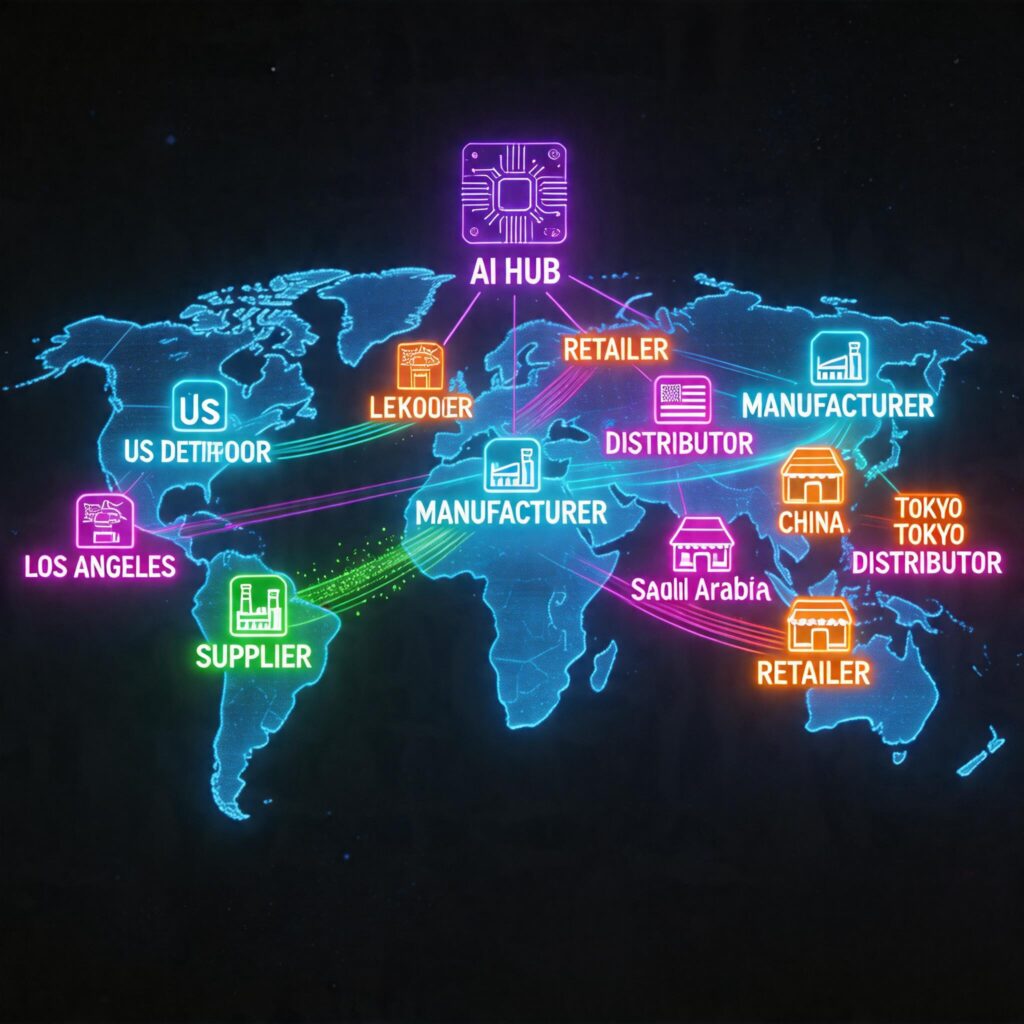
The next evolution of autonomous procurement bots will involve something that researchers are calling multi agent procurement ecosystems, where multiple specialized bots work together in coordinated networks.
Imagine one bot dedicated entirely to supplier risk monitoring, continuously analyzing financial news, geopolitical events, and performance data from your entire supplier base.
A second bot handles demand forecasting by integrating with your sales systems, production schedules, and market intelligence feeds.
A third bot manages the actual purchasing execution. A fourth bot handles invoice processing and payment optimization.
These bots communicate with each other, share intelligence, and coordinate their actions in ways that create a procurement operation that is genuinely intelligent at a systemic level rather than just at the level of individual transactions.
Gartner predicts that by 2027, more than 50% of large organizations will have deployed some form of autonomous procurement capability, and that early adopters will have established competitive advantages that late movers will struggle to close.
The question is not whether autonomous procurement bots will become mainstream.
The question is whether your organization will be part of the first wave that shapes how this technology matures or whether you will be playing catch up in a landscape where your competitors already figured this out.
Conclusion: The Quiet Revolution Has Already Started Without You
Here is the uncomfortable truth that I want to leave you with.
Right now, while you are reading this post, other procurement organizations in your industry are running autonomous bots that are processing supplier quotes, managing contracts, monitoring spend compliance, and optimizing purchasing decisions continuously, at a scale and speed that no human team could match.
The technology is not experimental anymore. The business case is proven.
The implementation pathways are established.
The only question that remains is whether you are going to step forward and be part of this transformation or step back and explain to your leadership team two years from now why your procurement costs are still climbing while your competitors keep reporting efficiency gains.
Autonomous procurement bots are not coming for procurement professionals jobs, at least not the good procurement professionals who understand that their most valuable contribution has never been processing paperwork.
Those people are going to thrive in a world where the transactional burden is handled by intelligent software and human expertise is reserved for strategy, relationships, and decisions that genuinely require human judgment.
The revolution is quiet, it is already happening, and the best time to understand it was yesterday. The second best time is right now.
Have you explored autonomous procurement automation in your organization? Drop your experience or questions in the comments below. I read every single one.
About the Author: With over 12 years covering enterprise supply chain technology, procurement innovation, and AI driven business transformation, this blog has helped thousands of procurement professionals navigate the shift toward intelligent automation with clarity, confidence, and a healthy dose of honest skepticism.
Leave a Reply